The Power of Neuroscience in the Workplace And How to Leverage It
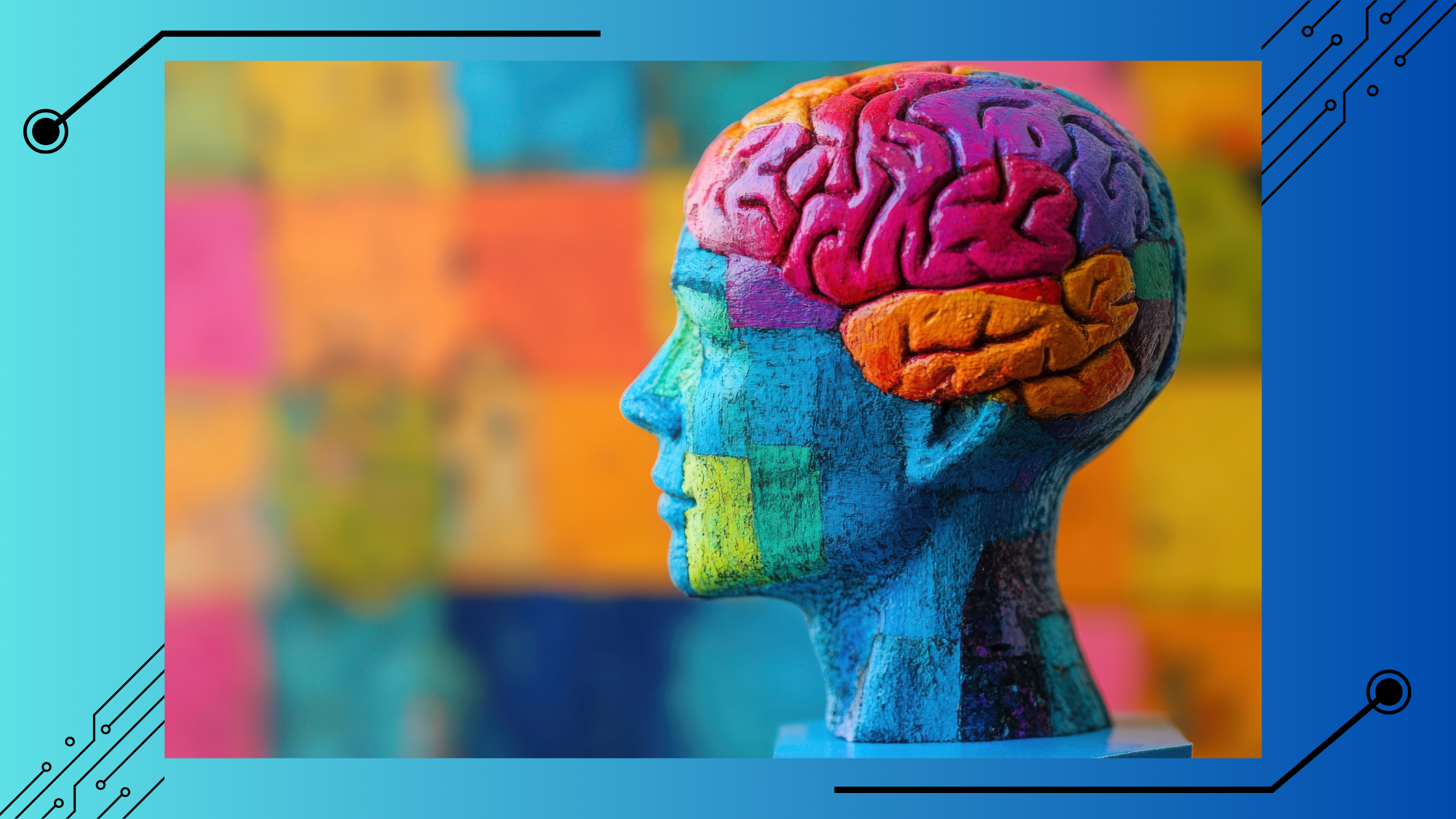
Why Understanding the Brain Matters For Leaders
Modern workplaces are fast‑moving, cognitively demanding, and emotionally complex. Leaders who understand how the brain works are better equipped to navigate this reality. When they grasp the fundamentals of attention, stress, motivation, memory, and social threat, they stop guessing about human behaviour and start leading with intention. They make decisions that reduce friction, build trust, and create the psychological conditions people need to do their best work. They understand why people resist change, why conflict escalates, and why motivation fluctuates — and they know how to intervene in ways that actually work. In a world where burnout is rising and complexity is the norm, leading with the brain in mind isn’t a bonus; it’s a strategic advantage.
Three Neuroscience Principles Leaders Can Leverage Immediately
1. The Brain Craves Psychological Safety
When we feel threatened, the brain shifts into protection mode — reducing our capacity to problem‑solve, regulate emotions, or think clearly. With the prefrontal cortex offline, we struggle to communicate effectively, reason or use logic, or make thoughtful decisions. Leaders who understand this can create psychological safety with intention, thereby enabling people to stay in a regulated state where higher‑order thinking is possible.
2. The Brain Seeks Patterns
We communicate in predictable patterns. Over time, we fall into repeating loops — ways of responding, avoiding, escalating, or collaborating that feel almost automatic. When we understand these patterns, we can interrupt unhelpful cycles and reinforce productive ones.
3. The Brain Is Wired for Connection
Humans are inherently social beings. When we feel connected at work, the brain releases oxytocin — a neurochemical that strengthens trust, increases collaboration, and boosts resilience. Leaders who understand this don’t leave connection to chance. They look for and seize any opportunity to build and strengthen authentic relationships.
The Bottom Line
At the end of the day, understanding the brain helps leaders support their teams in ways that unlock potential, strengthens relationships, and drives results through connection.